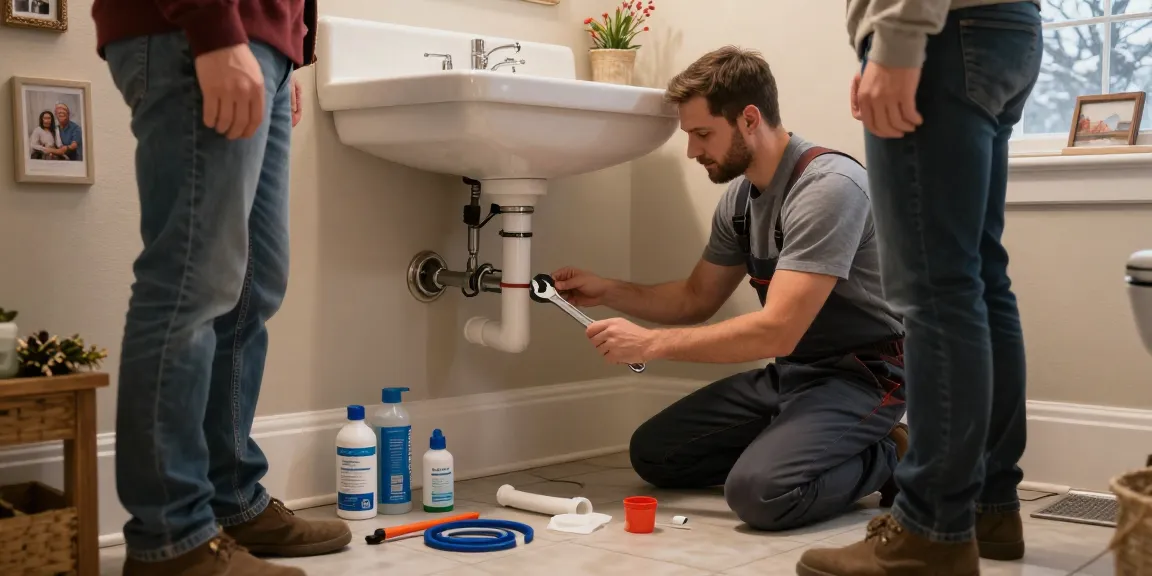
Understanding Plumbing Needs in Stevens Point
As a homeowner in Stevens Point, Wisconsin, you are likely aware of the vital role that plumbing plays in your daily life. From reliable water supply to effective waste removal, proper plumbing ensures comfort and convenience within your home. However, when issues arise, it can be overwhelming to find reliable solutions. That’s where a reliable plumber Stevens Point WI comes into play. Understanding your plumbing needs is essential for maintaining your home’s health and safety, particularly as the seasons change and demand fluctuates.
Why Choose a Local Plumber Stevens Point WI?
Choosing a local plumber offers numerous advantages. Firstly, local professionals are familiar with the specific plumbing challenges that homes in Stevens Point face, such as the effects of harsh winter climates on plumbing systems. They also understand local building codes and regulations, ensuring that all work is compliant and up to standard. Furthermore, local plumbers are committed to their community, providing a level of customer service that national chains often overlook.
Common Plumbing Problems Homeowners Face
As a resident of Stevens Point, you may encounter several common plumbing problems, including:
- Leaky faucets
- Clogged drains
- Running toilets
- Water heater issues
- Pipe corrosion
Recognizing these problems early can save you both time and money in the long run. It's vital to have a reliable plumber on speed dial who can tackle these issues swiftly and effectively.
The Importance of Regular Maintenance
Regular plumbing maintenance is crucial for preventing significant issues down the line. Routine inspections can help identify potential problems before they escalate, ensuring your plumbing systems function efficiently. Additionally, regular maintenance can extend the lifespan of your plumbing fixtures, saving you from costly replacements.
Expert Plumbing Services Overview
When it comes to plumbing services, expertise matters. Homeowners should seek out professionals who can offer comprehensive services tailored to their specific needs. Whether it is emergency repairs or routine maintenance, knowing what services to expect can help you make informed decisions regarding your home's plumbing.
Emergency Plumbing Services: When to Call
Emergency plumbing issues can arise at any moment and often require immediate attention. Signs that you should call for emergency services include:
- Major leaks or flooding
- Frozen pipes
- Severe clogs that prevent water flow
- Backed-up sewer lines
In such cases, a swift response can mitigate damage and restore normalcy to your home.
Routine Inspection and Maintenance Practices
Routine inspection and maintenance can help identify and resolve minor issues before they turn into emergencies. Schedule regular check-ups with your chosen plumber to assess the condition of your pipes, fixtures, and appliances. Common practices include:
- Checking for leaks
- Cleaning faucets and drains
- Flushing water heaters
- Inspecting sump pumps
Implementing a maintenance schedule can significantly enhance the longevity of your plumbing systems.
Water Heater Repair and Replacement Options
Water heaters are essential for everyday comfort, providing hot water for showers, cleaning, and cooking. If your water heater is not performing optimally, consider the following repair and replacement options:
- Flushing the tank to remove sediment build-up
- Replacing the heating elements
- Upgrading to a more energy-efficient model
Consult with your plumber to determine the best course of action based on your specific situation.
DIY Plumbing: When It’s Safe to Try
While not all plumbing tasks are suitable for DIY enthusiasts, some simple fixes can be managed without professional help. Knowing which tasks to tackle can save you time and money.
Basic Plumbing Fixes Every Homeowner Should Know
Some basic plumbing fixes every homeowner should be aware of include:
- Unclogging drains with a plunger or a plumbing snake
- Replacing faucet washers to stop leaks
- Installing a new toilet seat
These simple tasks can help maintain your plumbing system without the need for a professional visit.
Tools and Supplies for Your DIY Plumbing Kit
Equipping yourself with the right tools can make DIY plumbing more manageable. Essential tools include:
- Adjustable wrench
- Pliers
- Plumber’s tape
- Drain snake
- Bucket
Having these items on hand can prepare you for minor plumbing emergencies.
Common DIY Mistakes and How to Avoid Them
While DIY plumbing can save money, it can also lead to costly mistakes. Avoid common pitfalls such as:
- Neglecting to shut off the water supply before starting
- Using excessive force on old pipes
- Failing to properly seal connections
Understanding these challenges can help you approach DIY projects with confidence and caution.
Evaluating Plumbing Quotes and Pricing
When requiring plumbing services, understanding quotes and pricing is essential for making informed choices. This section will help you navigate the financial side of plumbing assistance.
How to Get Transparent Service Estimates
To ensure that you receive transparent estimates, consider the following steps:
- Request written estimates from multiple plumbers
- Inquire about labor and parts separately
- Ask for explanations of any additional fees
Being informed about pricing structures will protect you against unexpected costs.
Understanding Pricing Models in Plumbing Services
Plumbing services typically operate under different pricing models, such as hourly rates or flat fees for specific services. Understanding these models can help you choose the best option for your needs. Here are some pricing structures to consider:
- Diagnostic fees for troubleshooting
- Hourly rates for labor
- Flat fees for standard repairs
Clarifying these aspects before work begins can prevent misunderstandings.
Comparing Costs: Professional vs DIY Solutions
While DIY projects can be cost-effective, it’s essential to weigh their potential risks against hiring a professional. For instance, simple fixes like unclogging a drain may be easily managed; however, complex issues like plumbing installation should typically be left to the experts. Take into account:
- Potential cost of errors in DIY projects
- Time required for DIY tasks
- Benefits of warranties and guarantees with professional work
Balancing these factors will help you choose the right approach for each plumbing situation.
Future of Plumbing Services in Stevens Point
As we look to the future, plumbing services are becoming increasingly sophisticated, driven by advancements in technology and a growing focus on sustainability. Staying informed about these trends will help homeowners make proactive choices.
Emerging Plumbing Technologies to Watch in 2026
Innovations in plumbing technology are set to enhance efficiency and performance. Key areas to watch include:
- Smart home plumbing systems that allow remote monitoring and control
- Advanced leak detection systems
- Eco-friendly plumbing fixtures designed to reduce water usage
Being aware of these developments can empower homeowners to make informed upgrades.
Trends in Eco-Friendly Plumbing Solutions
With increasing awareness of environmental impact, eco-friendly plumbing solutions are gaining traction. Some notable trends include:
- Water-saving toilets and faucets
- Graywater recycling systems
- Rainwater harvesting
Adopting these solutions can contribute to a sustainable home and reduced utility bills.
Preparing for Seasonal Plumbing Challenges
Seasonal changes can impact plumbing systems significantly. Residents of Stevens Point should prepare for potential issues by:
- Insulating pipes during winter to prevent freezing
- Clearing gutters in the fall to prevent water backup
- Scheduling summer maintenance for air conditioning systems
Taking these proactive steps will ensure your plumbing systems remain reliable year-round.
Frequently Asked Questions
What should I do in case of a plumbing emergency?
In the event of a plumbing emergency, immediately turn off the water supply to minimize damage, then call a professional plumber for immediate assistance.
How can I prevent plumbing issues in my home?
Regular maintenance, such as routine inspections and prompt repair of minor issues, can significantly reduce the risk of plumbing problems.
What are the signs that I need to replace my plumbing?
Signs that you may need to replace plumbing include persistent leaks, low water pressure, and outdated materials like lead or polybutylene pipes.
Is DIY plumbing always a safe option?
While some DIY tasks are safe, complex plumbing issues often require professional help to avoid costly mistakes or damage.
How do I find a reliable plumber in Stevens Point?
Seek recommendations from friends and family, read online reviews, and verify credentials and experience before hiring a plumber.